Indonesia’s navigation buoy production stands as a vital pillar supporting maritime safety across its vast archipelago. The country’s manufacturers blend traditional craftsmanship with modern technology, developing durable, locally sourced buoys tailored to challenging marine environments. Understanding this process reveals not only technical expertise but also the strategic growth of Indonesia’s buoy industry, reflecting broader trends in marine equipment innovation and domestic manufacturing prowess.
Overview of Navigation Buoy Manufacturing in Indonesia
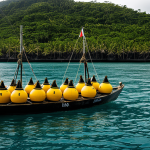
Indonesia’s vast archipelago depends heavily on navigation buoy manufacturing Indonesia to maintain maritime safety. Navigation buoys are critical marine safety equipment Indonesia employs to mark channels, hazards, and safe routes in busy waterways. Their presence reduces the risk of accidents and ensures smooth navigation across one of the world’s most important shipping corridors.
In parallel : Innovative energy solutions with vallourec smart tubulars
The local buoy production industry in Indonesia plays a central role in supplying these essential devices. Domestic manufacturers specialize in producing durable, high-quality buoys tailored specifically for Indonesian waters, which face unique challenges such as strong currents and diverse marine environments. This local expertise ensures the buoys withstand harsh conditions and provide reliable guidance to vessels.
The growth of navigation buoy manufacturing Indonesia reflects broader trends in Indonesia’s manufacturing sector. Increasing investment and technological advancement have expanded the capacity and sophistication of domestic buoy production. This not only supports marine safety but also contributes to Indonesia’s economic development by fostering jobs and technical skills. Overall, the expansion of the local buoy production industry is a key factor in enhancing maritime safety and infrastructure within Indonesian seas.
This might interest you : What Are the Key Opportunities for UK Businesses in the International Market?
Materials and Machinery Used in Indonesian Buoy Production
The materials used in Indonesian navigation buoy manufacturing are carefully chosen to withstand harsh marine environments. Polyethylene is prevalent due to its corrosion resistance, buoyancy, and durability in saltwater. Steel components provide structural strength, particularly in the frame and anchoring parts. These materials balance longevity with cost-effectiveness, essential for the practical demands of marine navigation aids.
Regarding machinery, Indonesian buoy manufacturing utilizes specialized equipment designed for precision and efficiency. High-capacity rotational molding machines shape polyethylene buoys, ensuring uniform thickness and robustness. Welding machines tailored for steel fabrication secure frames and attachments with high accuracy. Advanced cutting tools and painting systems add durability and visibility, crucial for safety at sea.
Sourcing materials locally aligns with Indonesia’s sustainability goals. Using regionally available plastics and steel reduces transportation emissions and supports the domestic supply chain. Furthermore, manufacturers often incorporate recycled polyethylene, contributing to eco-friendly buoy production. These practices demonstrate a strong commitment to environmental responsibility within Indonesia’s evolving marine technology sector.
For a comprehensive understanding of buoy production processes, consulting the manufacturer of maritime buoys in Indonesia offers valuable insights into how these materials and machinery come together practically and innovatively.
Key Stages in the Buoy Production Process
The buoy production stages begin with the meticulous preparation and moulding of individual components. This initial phase involves shaping durable materials, often marine-grade plastics or metals, into the buoy’s basic structural form. Precision at this stage ensures that each part meets stringent specifications to withstand harsh marine environments.
Following component preparation, the assembly process integrates essential functional parts, including flotation chambers, lighting systems, and anchoring attachments. Skilled technicians carefully combine these elements to create a cohesive unit. During this phase, components are tested for correct fit and functionality to ensure the buoy performs reliably once deployed.
The final manufacturing steps focus on finishing and quality control. This includes applying vibrant, standardized markings for maximum visibility and compliance with navigational regulations. Each buoy undergoes thorough inspections and rigorous testing to confirm durability, buoyancy, and operational integrity before release. These controlled procedures guarantee that every unit meets industry and safety standards, reflecting the high quality expected from a leading manufacturer of maritime buoys in Indonesia.
Compliance with Indonesian Regulations and Standards
Navigating the landscape of Indonesia maritime regulations is crucial for manufacturers aiming to produce high-quality navigation buoys. These regulations are designed to ensure safety, durability, and interoperability with international maritime systems. Buoy standards in Indonesia not only align with globally recognized conventions but also incorporate specific national requirements that address the unique geographic and climatic conditions of Indonesian waters.
One central aspect is the strict certification processes that manufacturers must complete. These processes verify that every buoy meets safety, material quality, and performance expectations. For example, testing involves assessing buoy stability, material resilience against corrosion, and visibility under various environmental conditions. Indonesian manufacturers work closely with maritime agencies to obtain certifications, which serve as proof of compliance and increase trust among users.
Local authorities play an active role in enforcement and guidance. They oversee the adherence to regulatory standards, ensuring buoys are correctly positioned and periodically maintained. Cooperation with Indonesia maritime regulators helps manufacturers stay updated on any changes, enabling continuous compliance and fostering innovation. This collaborative framework solidifies Indonesia’s position as a reliable manufacturer of maritime buoys in Indonesia, emphasizing a commitment to safety and quality in the maritime domain.
Industry Insights: Challenges and Innovations in Indonesian Buoy Manufacturing
In the industry challenges facing Indonesian buoy manufacturers, one primary issue is the complex local maritime environment. Harsh weather conditions, strong currents, and high salinity levels demand robust buoy designs that endure prolonged exposure. Meeting international maritime safety standards while adapting to these conditions often requires significant research and development investment. Additionally, supply chain constraints for high-quality materials can slow production, affecting timely deliveries and raising costs.
Despite these challenges, buoy production innovations in Indonesia are advancing steadily. Manufacturers are increasingly incorporating technology advancements Indonesia offers, such as corrosion-resistant coatings and solar-powered LED lighting systems, enhancing buoy visibility and durability. These innovations directly address the need for reliable navigation aids in Indonesia’s extensive and sometimes turbulent waters.
Adaptation to local maritime conditions also drives the creation of customized buoy solutions that better fit regional specifications. For example, modular designs enable easier maintenance and replacement of parts in remote locations. This flexibility, combined with ongoing technological improvements, positions Indonesia’s buoy industry to grow in both scale and functionality. Companies such as the manufacturer of maritime buoys in Indonesia demonstrate this progress by integrating smart sensors and IoT connectivity, offering real-time monitoring capabilities that elevate maritime safety standards nationally.
Case Studies from Indonesian Buoy Producers
Delving into production examples from a prominent Indonesian buoy factory reveals the sophistication and efficiency embedded in their operations. One leading facility exemplifies robust manufacturing practices, balancing modern technology with skilled craftsmanship. This factory utilizes advanced molding techniques combined with corrosion-resistant materials to produce durable navigation buoys tailored for diverse maritime environments. Their workflow integrates quality assurance at every stage, ensuring each buoy meets stringent safety and performance standards.
Examining the production workflow in a local factory, the process typically initiates with the design phase, where buoy specifications are customized to client needs. Subsequent steps involve material preparation, molding, assembly, and comprehensive testing. Throughout production, the factory emphasizes sustainability by employing environmentally friendly materials and minimizing waste. Staff coordination and automated systems streamline operations, reducing turnaround time while maintaining accuracy.
An impressive example of successful deployment involves Indonesian-made navigation buoys used along critical shipping lanes prone to heavy traffic and adverse weather. These buoys have demonstrated exceptional resilience and reliability, contributing to safer navigation and reduced maritime incidents. The close collaboration between clients and the manufacturers ensures that every buoy is purpose-built, considering factors such as sea currents, visibility, and anchoring requirements.
For more detailed insights on the industry and manufacturing aspects, exploring the expertise of a manufacturer of maritime buoys in Indonesia provides valuable context regarding production capabilities and quality benchmarks. This deeper understanding sheds light on why Indonesian buoy factories stand out for their commitment to excellence and innovation in maritime safety solutions.